
Never in recent history did it seem imaginable that gender dysphoria, gender confusion, and identity crisis would become so mainstream. Yet here we are, facing not an isolated phenomenon, but a cultural and spiritual crisis that has accelerated with unprecedented speed.
This is not a subject to mock or trivialize. The confusion people experience is real, painful, and deeply consequential. But acknowledging suffering does not require us to affirm deception. Compassion must never come at the cost of truth. And true love addresses hard issues.
The modern world continues to search for explanations. The medical and psychological communities openly acknowledge that there is no settled or comprehensive model explaining why gender dysphoria manifests, why rates seem to be unusually increasing, or why social influence plays such a strong role. Research is ongoing, theories conflict, and conclusions remain unsettled.
By contrast, Scripture is not at all uncertain. Gender is ordained by God.
Those who take the Bible seriously are not left guessing. We are provided clarity about creation, order, identity, and deception. From a biblical worldview, several truths are non-negotiable:
• Gender confusion is not God’s design, but a distortion of it.
• God is not the author of confusion, but of order and clarity.
• The deliberate distortion of male and female identity is explicitly condemned in Scripture, being called an abomination.
• What God creates, deception always attempts to corrupt.
• God does not make mistakes; if He did, He would cease to be God.
The Scriptural Foundation: Deuteronomy 22:5.
In the fifth book of the Bible, God addresses this issue directly, far more precisely than many actually realize:
“A woman must not wear men’s clothing, nor a man wear women’s clothing, for the Lord your God detests anyone who does this.”
This verse is frequently quoted, rarely studied, and often misunderstood. Entire theological positions (and many denominations) have been built on surface-level readings that ignore the Hebrew text entirely.
To understand the command correctly, the original language matters.
Why the Hebrew Changes Everything.
The original verse uses two different Hebrew words, not one... and that distinction is crucial.
Here is the verse in Hebrew and direct to English: לֹא־יִהְיֶ֤ה כְלִי־גֶ֙בֶר֙ עַל־אִשָּׁ֔ה וְלֹא־יִלְבַּ֥שׁ גֶּ֖בֶר שִׂמְלַ֣ת אִשָּׁ֑ה
“A woman shall not wear a man’s keli, nor shall a man put on a womans simlah"
This word does not primarily mean clothing. Throughout Scripture, keli refers to:
• tools
• weapons
• instruments
• equipment
• functional gear associated with a role or duty
It is used for weapons of war, priestly instruments, hunting equipment, and household tools. When the text says, “A woman shall not wear a man’s keli,” it is not referring to fabric, it is referring to assuming male roles, authority markers, or functional identity.
In plain terms: A woman is forbidden from adopting the role, authority, or functional identity markers that God assigned to men.
The second word is "simlah": “outer garment, mantle, identifying cloak.”
This word does refer to clothing, but not casually. In ancient Israel, the simlah was an identity-signaling garment. It communicated:
• gender
• social role
• vocation
• status
When a man put on a woman’s simlah, he was not wearing comfortable clothing or borrowing a garment, he was presenting himself as female in identity and role.
What the Command Actually Forbids.
This passage has nothing to do with fashion. It is not about:
• pants vs. dresses
• kilts
• robes
• cultural clothing styles
Everyone in ancient Israel wore robes. Literally, everyone.
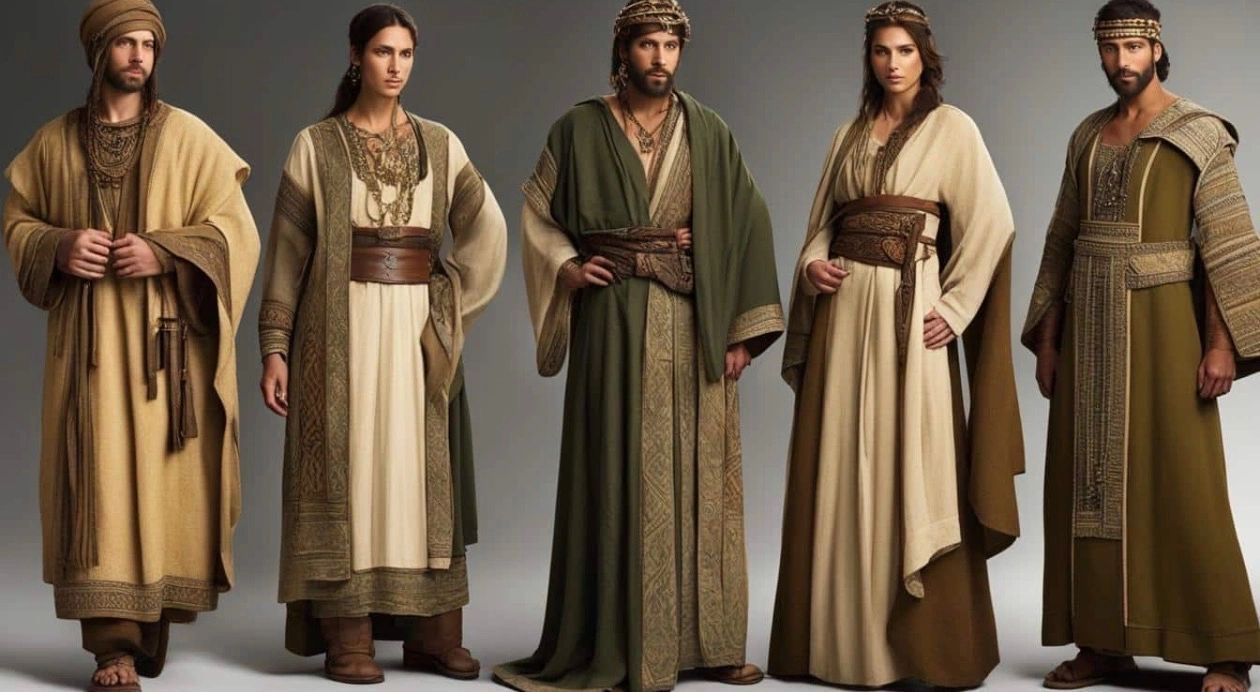
The command addresses something far more serious:
• women assuming male authority, roles, or functional identity
• men presenting themselves publicly as female
• deliberate blurring or erasure of God-ordained gender distinctions
Historically, these practices were tied to pagan ritual worship, gender-mixing ceremonies, and moral disorder in the ancient Near East.
Why God Calls It an “Abomination.”
The Hebrew word translated “abomination” (תּוֹעֵבָה, to’evah) is not used for minor offenses or preferences. It is consistently used for:
• pagan ritual practices
• idolatry
• actions that corrupt God’s created order
God is not offended by cloth, colors, or garments. He is offended by rebellion against His design.
The Modern Misreading.
Modern culture reduces this verse to “God hates cross-dressing.”
That is not what the Hebrew says. What it actually communicates is that God rejects the intentional rejection, swapping, or erasure of the male and female identities He created.
So Deuteronomy 22:5 is not about clothes. It is about identity, role, and allegiance to God’s created order.
The verse forbids adopting the presentation, authority, or identity of the opposite sex, and the Hebrew text makes this unmistakably clear.
This is not confusion on God’s part. It is clarity, ignored by a culture determined to redefine what God has already spoken.
~ Devin
Devin Osborne


